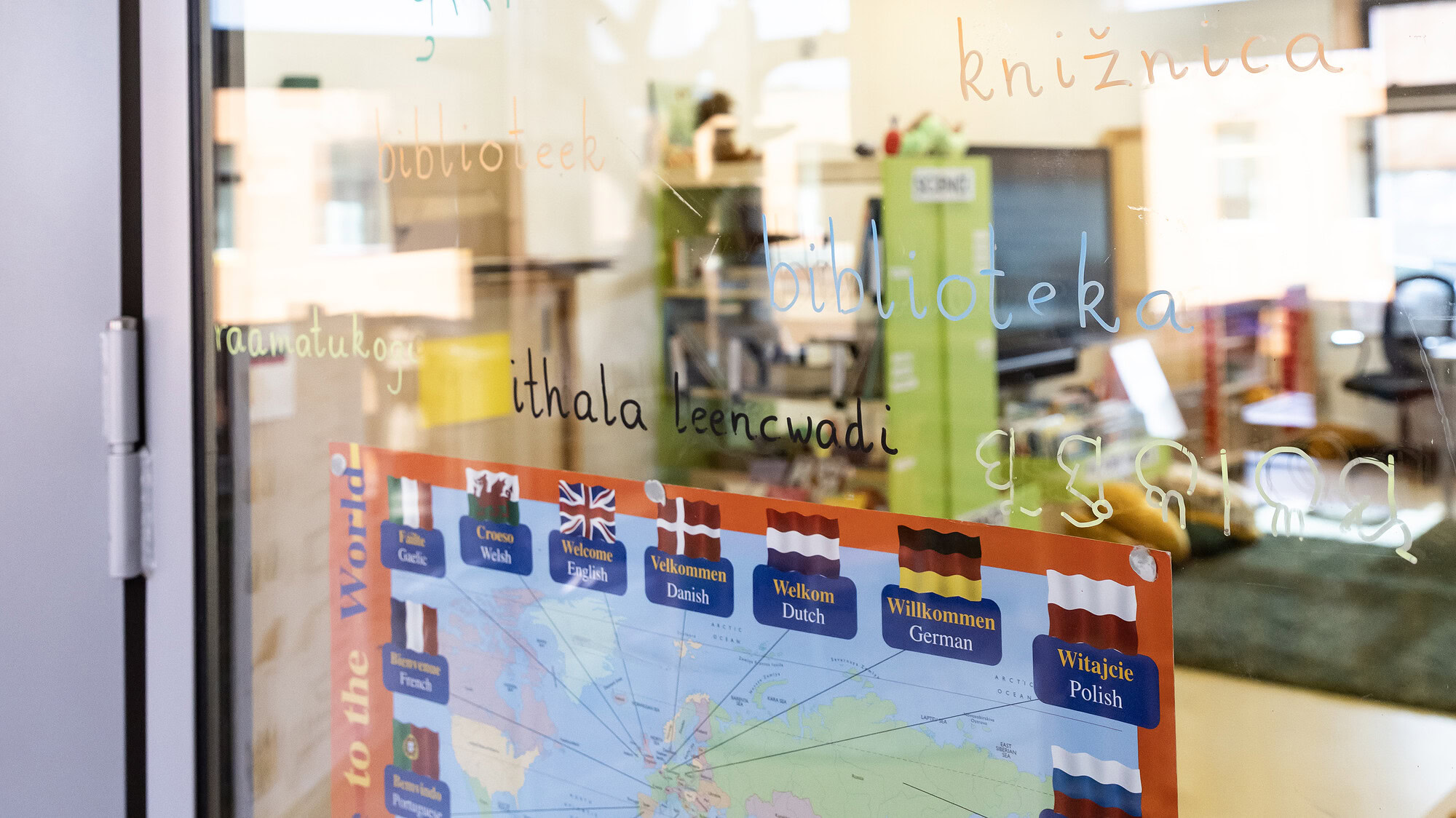
At our school, children have Dutch Language and Culture lessons twice a week. We know that our students come from many different language backgrounds, so our Dutch programme is designed to be accessible, practical and enjoyable.
Our approach is based on comprehensible input: children learn Dutch by hearing and seeing language that they can understand in context. We use Dutch children’s books, videos, songs, games, stories and everyday classroom situations to help them gradually build their vocabulary, confidence and understanding. Additionally using Dutch during PE and outdoor lunch play makes the language active, practical and memorable, as children connect words directly to movement and action.
Our main aim is to give children the practical Dutch they need in everyday life — for example, to communicate on the playground, speak to other children, order something in a shop, understand signs and notices, or take part more confidently in the local community.
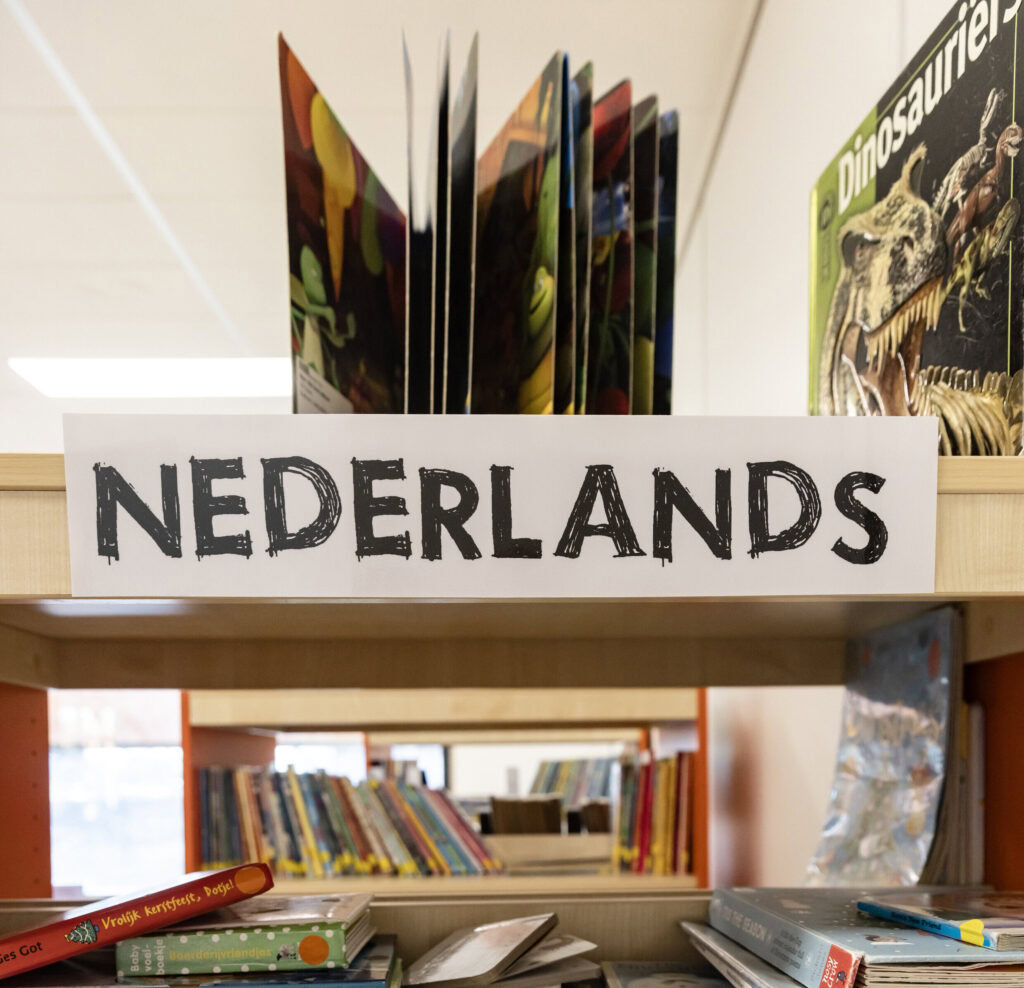
Because the amount of Dutch lesson time at school is limited, exposure outside school can make a very big difference. We have seen that children often make much faster progress when they also hear, see and use Dutch in their daily lives. For example, you could encourage your child to join a local sports club or activity, watch Dutch television or videos together, listen to Dutch music or audiobooks, visit the library, or create opportunities to play and communicate with Dutch-speaking children.
It can also be very powerful when children see their parents learning and using Dutch too. You do not need to be fluent, simply showing curiosity, trying new words and being willing to make mistakes sends an important message: learning a language takes time, practice and confidence.
In November, during our information session on the IB learning continuum, we will explain how Dutch can continue to develop within Secondary and the MYP. Within the MYP, students can follow different language pathways, including Dutch Language Acquisition and, where appropriate, Dutch Language and Literature. This allows Dutch language learning to develop progressively from practical communication towards increasingly confident academic use of Dutch. Developing a stronger level of Dutch during Secondary can also help students keep more options open for their future, including pathways towards Dutch universities and universities of applied sciences (HBO), depending on the entry and language requirements of the programme they eventually choose.
Together, school, home and the wider Dutch community can help our students feel increasingly confident and connected in the country in which they live.