What is the PYP?
A framework for curious, connected and meaningful learning
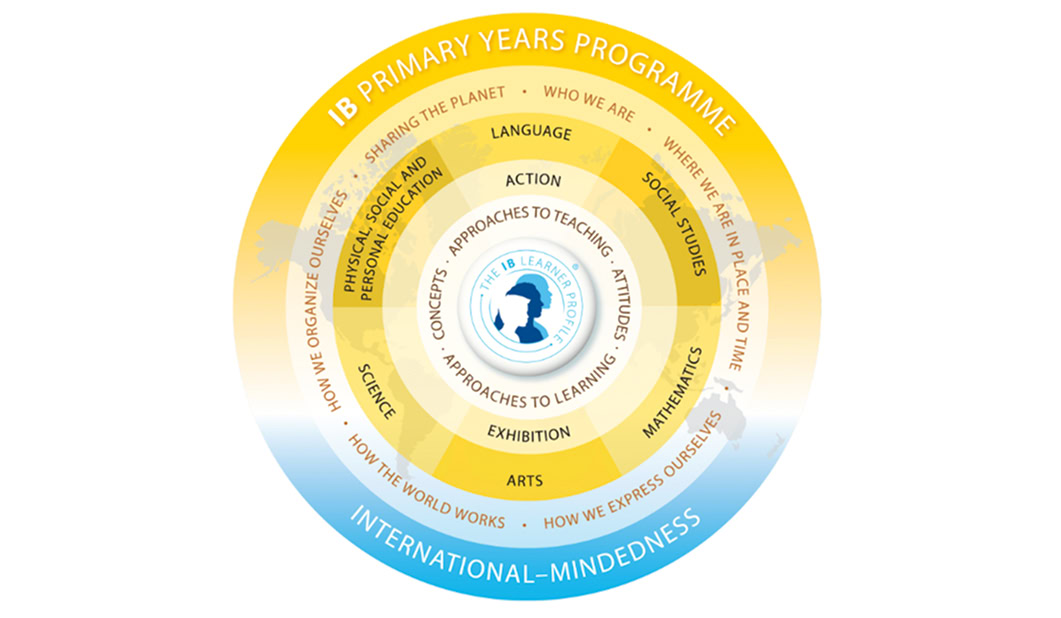
The Primary Years Programme (PYP) is the International Baccalaureate framework for children aged 4 to 11. It helps young learners grow in curiosity, confidence and understanding by connecting subject learning with inquiry, reflection and real-world meaning.
At OIA Primary, this fits naturally with the kind of learning we value: warm, purposeful and thoughtfully challenging. The PYP helps children build strong foundations in language, literacy and numeracy, while also developing independence, collaboration and a growing sense of responsibility.
How students learn in the Primary years
Curiosity, connection and inquiry
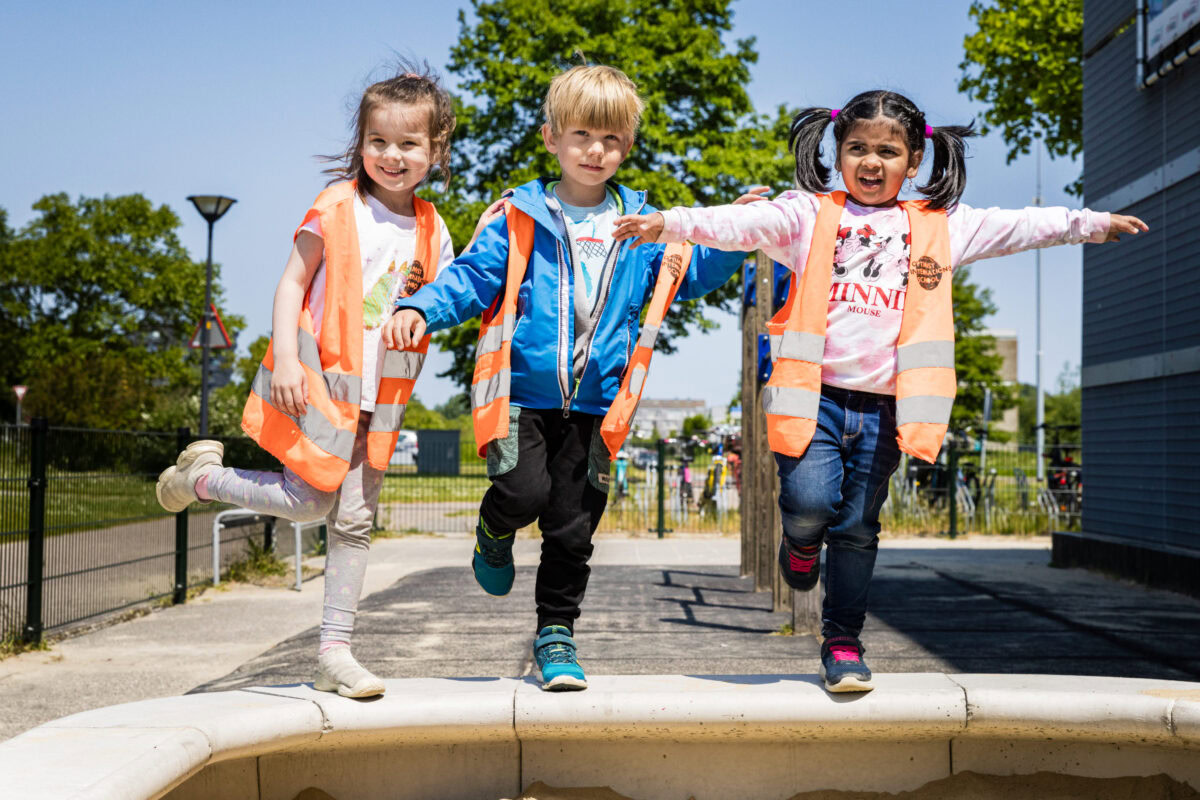
In Primary, learning begins with curiosity. Young children learn best when they feel safe, known and actively involved. At OIA Primary, they learn through doing, talking, exploring and reflecting.
In the Early Years, play-based learning and a carefully prepared environment support exploration, interaction and growing independence. As students move through Primary, learning becomes more structured. They deepen their thinking, grow in independence and take increasing responsibility for their learning.
Transdisciplinary inquiry and subject learning
Building strong foundations in connected ways
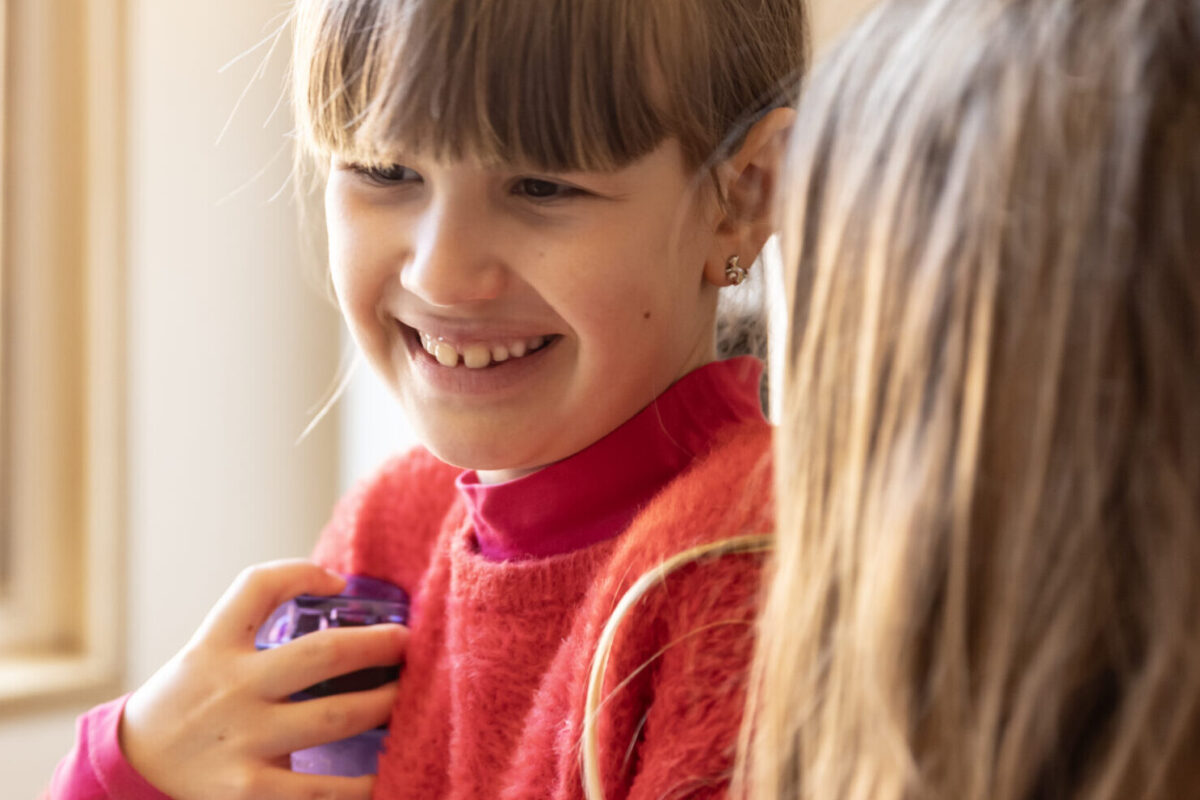
A distinctive feature of the Primary Years Programme (PYP) is that learning is not only organised through separate subjects. Students also learn across subject boundaries through units of inquiry shaped by meaningful questions and big ideas.
This helps students build understanding that is connected, purposeful and relevant, while developing strong foundations in key subject areas.
The 6 transdisciplinary Themes
In the PYP, these inquiries are connected to six transdisciplinary themes of global significance:
Who we are
How the world works
Where we are in place and time
How we organise ourselves
How we express ourselves
Sharing the planet
The 6 fields of study
Alongside these units of inquiry, students also develop knowledge and skills through the six PYP subject areas.
This means students build strong foundations in key subjects, while also learning to make connections between ideas, people and the world around them.
Language
Arts
Science
Mathematics
Concepts, voice and agency
Developing confidence and ownership
Students are encouraged to explore ideas, ask questions and gradually take ownership of their learning in age-appropriate ways.
In Primary, agency does not mean learning without structure. It means students developing voice, confidence and independence within a carefully guided and supportive environment.
Learner Profile and Approaches to Learning
Growing through everyday learning
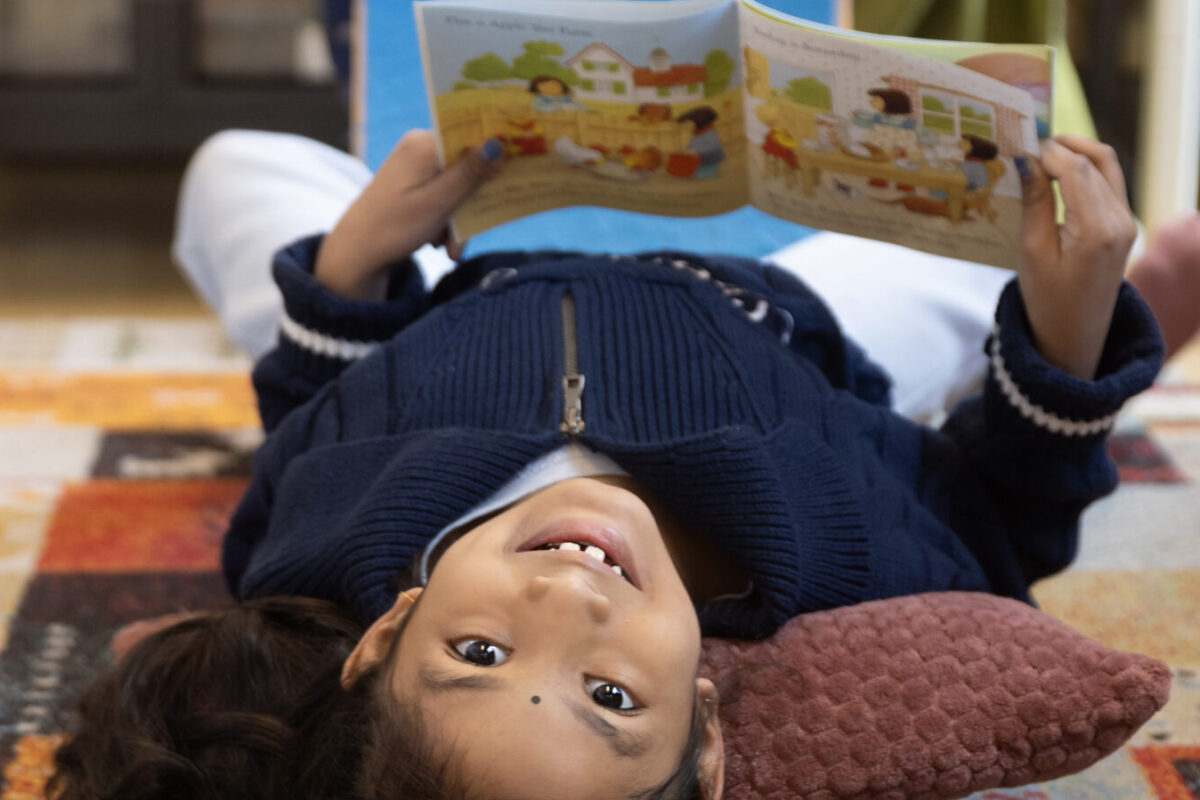
At OIA Primary, students develop the shared OIA learner profile through inquiry, play, collaboration and reflection.
In practice, this may look like students learning how to ask questions, work together, explain their thinking, reflect on feedback and take increasing ownership of their learning.
Language-rich learning and identity
Language as a foundation for learning
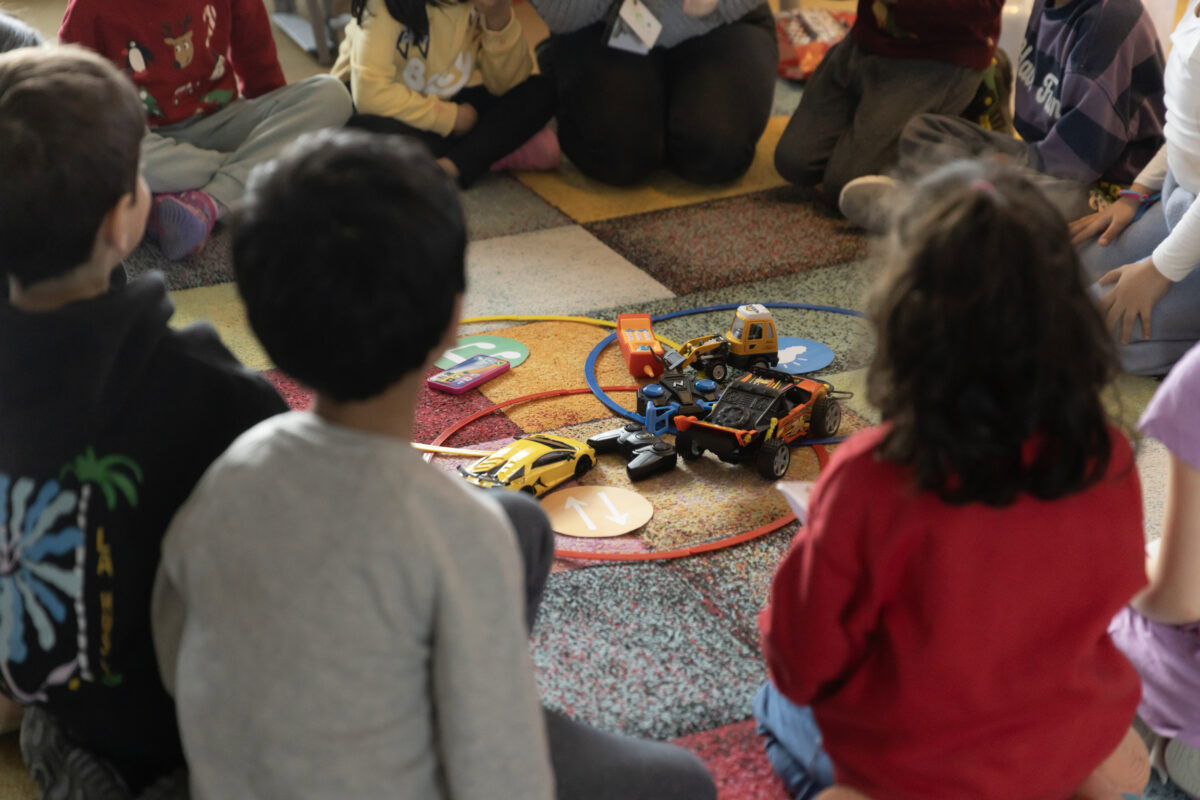
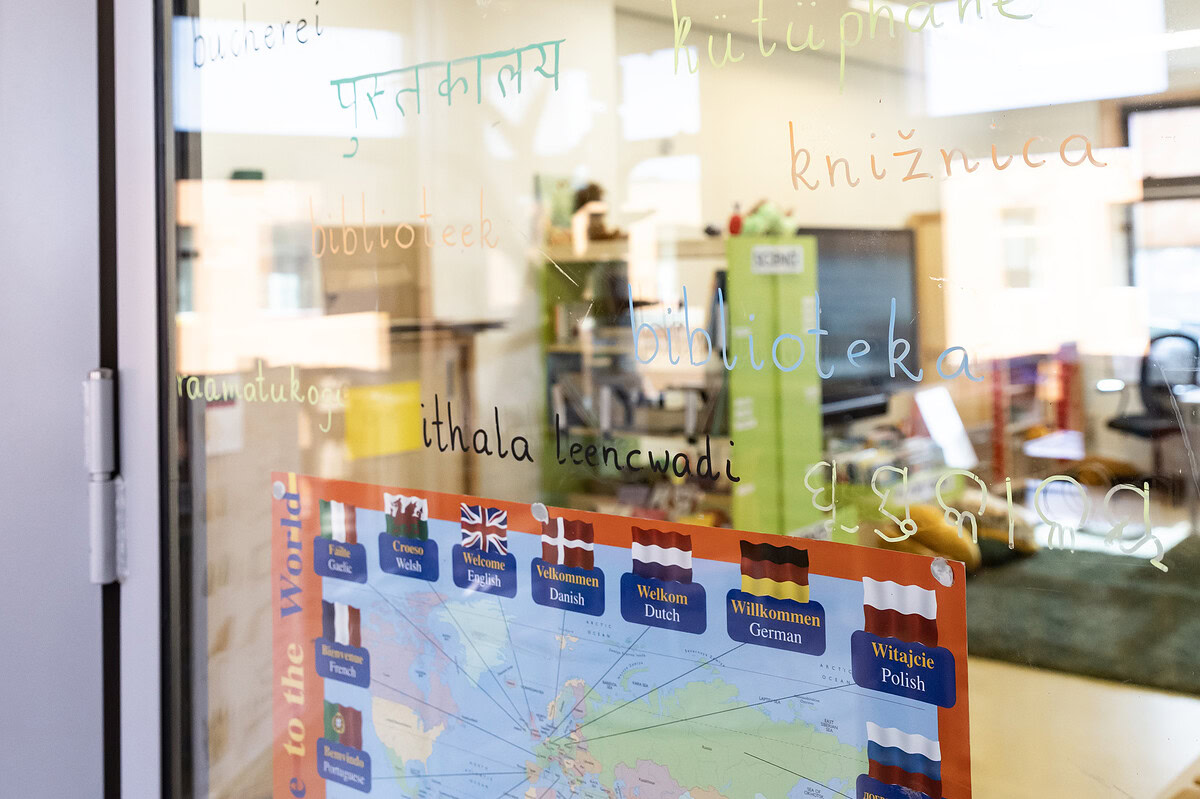
Language is central to everything students do in Primary. They learn through talking, listening, reading, writing, questioning and explaining. English is the main language of instruction, while Dutch is offered as an additional language and home languages are valued and supported.
This helps students strengthen communication, identity and confidence across cultures. It also reflects the multilingual and internationally minded character of our school community in Hoofddorp.
English
Dutch
Home languages
Action and the PYP Exhibition
Learning that leads somewhere
In the PYP, learning is not only about understanding. It is also about action. Students are encouraged to see that their ideas, choices and learning can make a difference in their classroom, community and beyond. Responsible action is a core part of the PYP.
In the final year of Primary, students take part in the PYP Exhibition: a culminating inquiry in which they explore, document and share their understanding of an issue or opportunity that matters to them.
Partnership with parents
Learning made visible
In the Primary years, the connection between home and school matters greatly. Parents are important partners in a child’s learning journey, and regular communication helps us support each child as a learner and as a person.
Learning celebrations, in which students share their learning with parents, and experiences such as the PYP Exhibition help make learning visible. Together with shared language around growth and mindset, these moments strengthen the connection between school and home. We also keep parents informed through regular updates, progress sharing and ongoing conversations about each child’s wider development.
Curious about the IB Primary Years Programme (PYP)? Learn more about on the International Baccalaureate (IB) website.
Experience OIA Primary
Join one of our Open Days! We would love to welcome you to OIA Primary.
Next steps
Explore how this approach takes shape in practice: